Art Blog - Inspiring Stories and Insights

The Enduring Allure of Impressionism: Capturing Fleeting Moments
Impressionism, a revolutionary art movement that emerged in late 19th-century France, continues to captivate art enthusiasts worldwide. Characterized by its emphasis on capturing fleeting moments and the subjective perception of light and color, Impressionism challenged the traditional academic styles of the time. Artists like Claude Monet, Edgar Degas, and Pierre-Auguste Renoir ventured outdoors, painting "en plein air" to directly observe and record the effects of natural light on their subjects. This dedication to immediacy and sensory experience transformed the way art was created and perceived. The loose brushstrokes, vibrant palettes, and focus on everyday life are hallmarks of this beloved movement, inspiring countless artists and shaping the course of modern art.
Read More

Street Photography: Documenting the Unscripted Narrative of Urban Life
Street photography is a genre that thrives on spontaneity and observation, capturing the unposed, unrehearsed moments of everyday life in public spaces. Armed with their cameras, street photographers like Henri Cartier-Bresson and Vivian Maier become urban explorers, documenting the human condition with honesty and artistry. From candid portraits of strangers to fleeting interactions and dramatic compositions, street photography offers a unique window into the social, cultural, and political landscapes of our cities. It's about finding beauty in the mundane, telling stories with images, and preserving a visual record of our time. The best street photographs possess the power to evoke emotion, provoke thought, and connect us to the shared human experience.
Read More
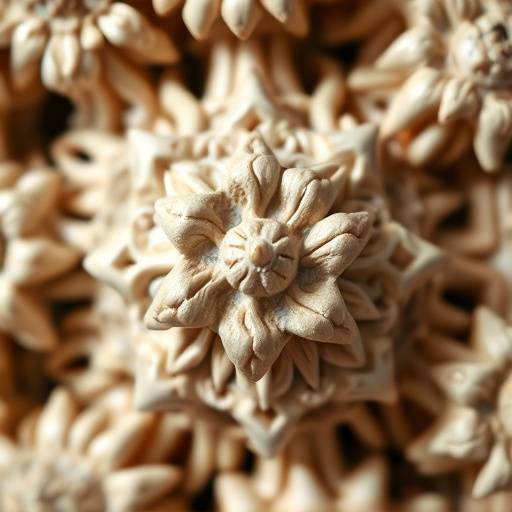
The Tactile Art of Ceramics: Shaping Clay into Enduring Forms
Ceramics, the art of shaping and firing clay, is a practice that spans millennia and cultures. From functional pottery to intricate sculptures, ceramics offer endless possibilities for artistic expression. The tactile nature of clay allows artists to directly engage with their medium, molding and manipulating it into desired forms. Glazes, firing techniques, and decorative elements further enhance the visual and textural qualities of ceramic pieces. Whether created on a potter's wheel or sculpted by hand, ceramics are both functional objects and works of art. Contemporary ceramic artists are pushing the boundaries of the medium, experimenting with new techniques and materials to create innovative and thought-provoking pieces that challenge our perceptions of clay.
Read More
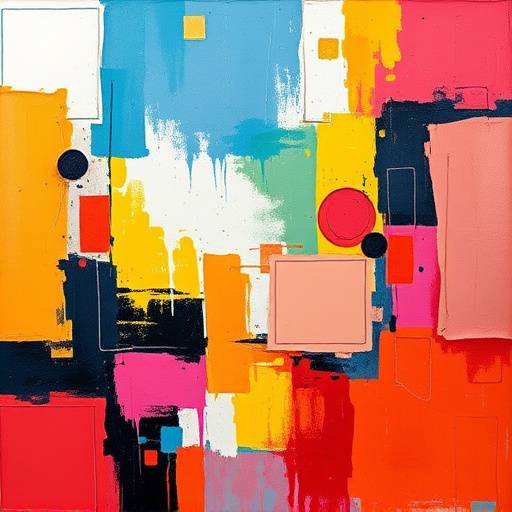
Exploring the Realm of Abstract Art: Beyond Representation and Into Emotion
Abstract art, often misunderstood, invites viewers to engage with art on a purely emotional and intellectual level. Eschewing representational forms, abstract artists focus on the elements of art itself – color, line, shape, texture, and composition – to create works that evoke feelings, ideas, and sensations. From the geometric abstractions of Piet Mondrian to the gestural paintings of Jackson Pollock, abstract art encompasses a wide range of styles and approaches. It challenges our conventional notions of what art should be, prompting us to look beyond the surface and explore the deeper meanings and emotions embedded within the artwork. Abstract art encourages personal interpretation and fosters a connection between the artist's vision and the viewer's experience.
Read More

The Fluid Beauty of Watercolor: Transparency, Light, and Atmospheric Effects
Watercolor painting is celebrated for its delicate transparency, luminous effects, and ability to capture the subtle nuances of light and atmosphere. The medium's inherent fluidity allows for a unique sense of spontaneity and immediacy, making it a favorite among landscape painters and illustrators. From the meticulous detail of botanical illustrations to the expressive washes of abstract compositions, watercolor offers a versatile range of techniques and styles. Renowned watercolor artists like John Singer Sargent and Georgia O'Keeffe have demonstrated the medium's power to create stunningly beautiful and evocative works of art. Watercolor's translucent qualities lend themselves particularly well to capturing the ethereal beauty of nature and the ephemeral moments of everyday life.
Read More